
Teach for Zimbabwe 6th Cohort Fellows Making a Lasting Impact: From The President’s Desk
By Ellis Mwasi



From my desk as President of the 6th Cohort, I am proud to share how our Teach for Zimbabwe fellows are creating tangible, positive change across communities. The journey of this cohort stands as a compelling example of service-driven leadership, resilience, and commitment to national development.
What began in early 2025 as a highly competitive recruitment process progressed through rigorous interviews and structured pre-institute training, laying a strong foundation for transformative service. By December 2025, selected fellows entered an intensive training phase designed to equip them with the competencies necessary to contribute meaningfully to Zimbabwe’s education system and surrounding communities.
The training programme extended beyond pedagogy, encompassing community engagement, entrepreneurship, digital literacy, stakeholder collaboration, and personal leadership development. This holistic approach prepared fellows to respond effectively to the complex realities of under-resourced educational environments and to serve as agents of change within and beyond the classroom.
Early in the deployment phase, the cohort encountered significant challenges that tested both individual and collective resilience. Experiences of loss of one of our members, the passing of a guardian of another fellow, and a car accident involving a cohort member underscored the demanding nature of the fellowship. Nevertheless, the cohort demonstrated remarkable unity and perseverance, drawing strength from shared purpose and an unwavering commitment to service.
Deployment required fellows to leave behind familiar environments and integrate into diverse communities across Zimbabwe. Within the first week, they engaged with District Schools Inspectors, school heads, and local stakeholders while adapting to new institutional cultures and challenging working conditions. Despite constraints such as limited resources and extreme climatic conditions, fellows remained focused on delivering quality education and fostering positive learning environments.
Within days, tangible impact became evident:
- Learning spaces rehabilitated and maintained, science laboratories restored, and computer labs reconnected to support digital learning.
- Community mobilisation and inclusive education initiatives implemented to empower learners, often going beyond formal responsibilities to source critical learning materials.
- ICT support provided for national examination processes, capacity-building workshops, and school data management.
- Classroom impact through learner-centred teaching, motivation in challenging contexts, and boosting school morale amidst shortages.
- Entrepreneurial education initiatives introduced practical skills, income-generating activities, and innovative thinking, linking education to self-reliance and sustainable livelihoods.
Fellows are also leading by example in daily activities. Some highlights shared by fellows include:
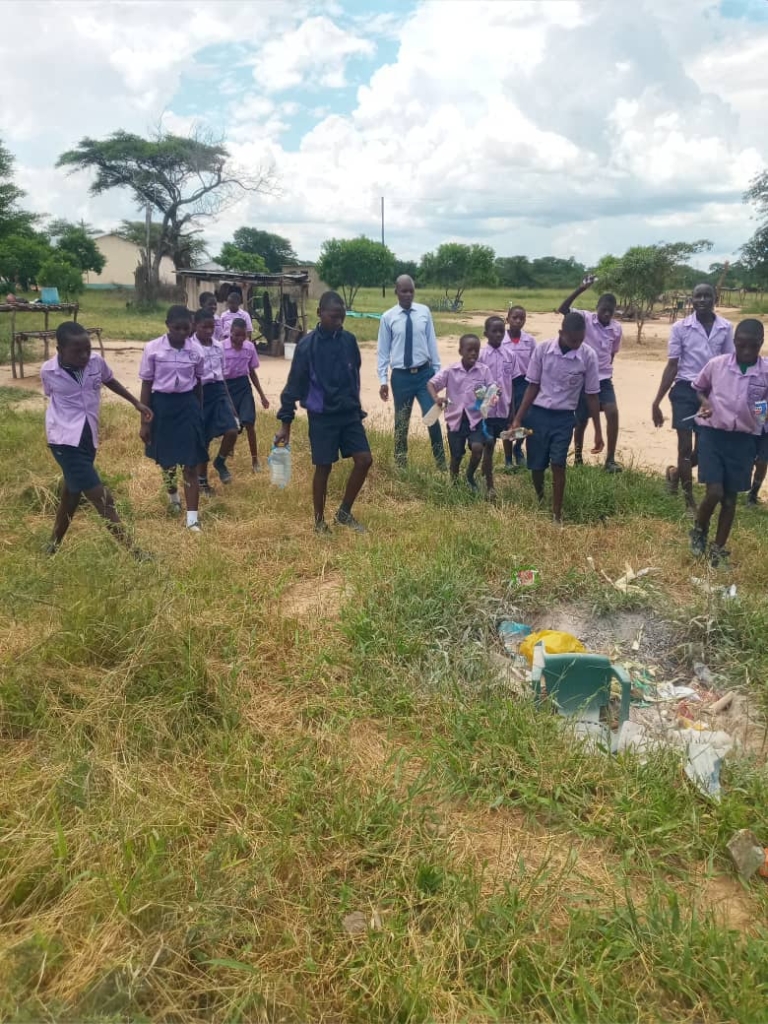
- Desline Zirima at Nyevedzanai Primary School created a child-friendly learning environment by leading learners in cleaning the school yard.
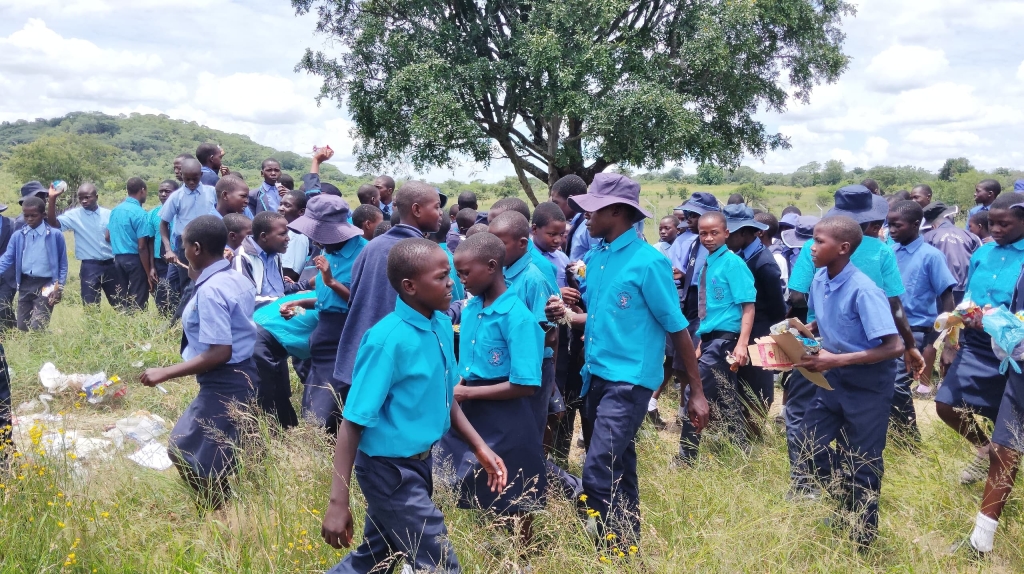
- Walter Kazingizi in Mudzi District guided students in collecting litter, promoting environmental responsibility and teamwork.
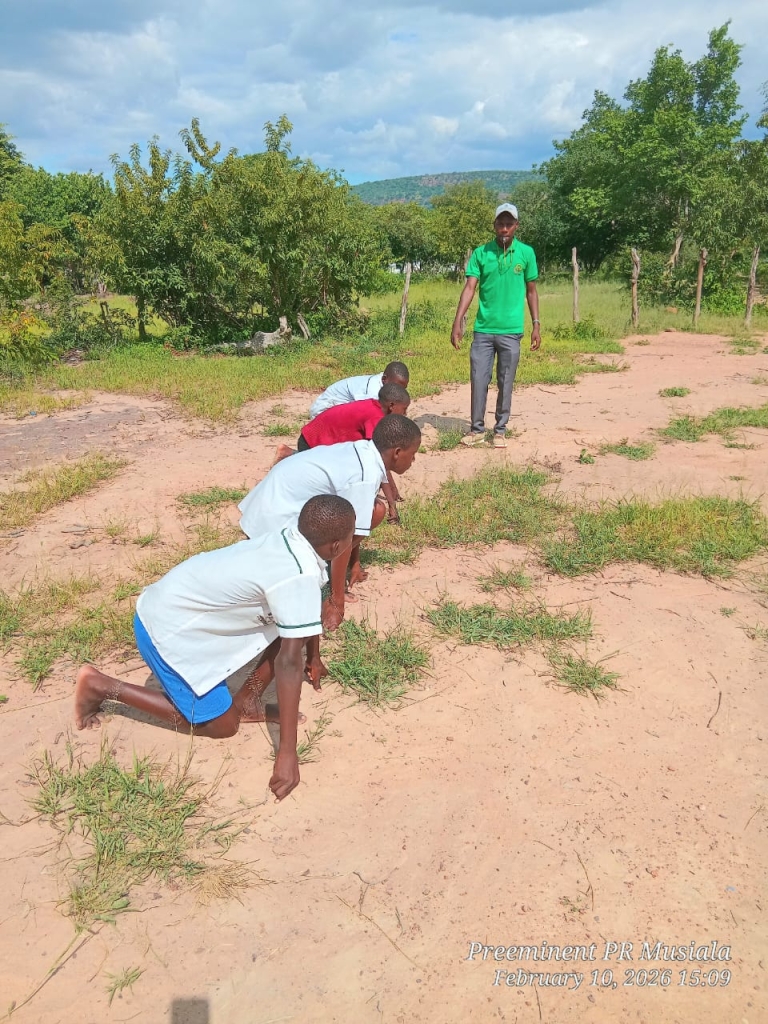
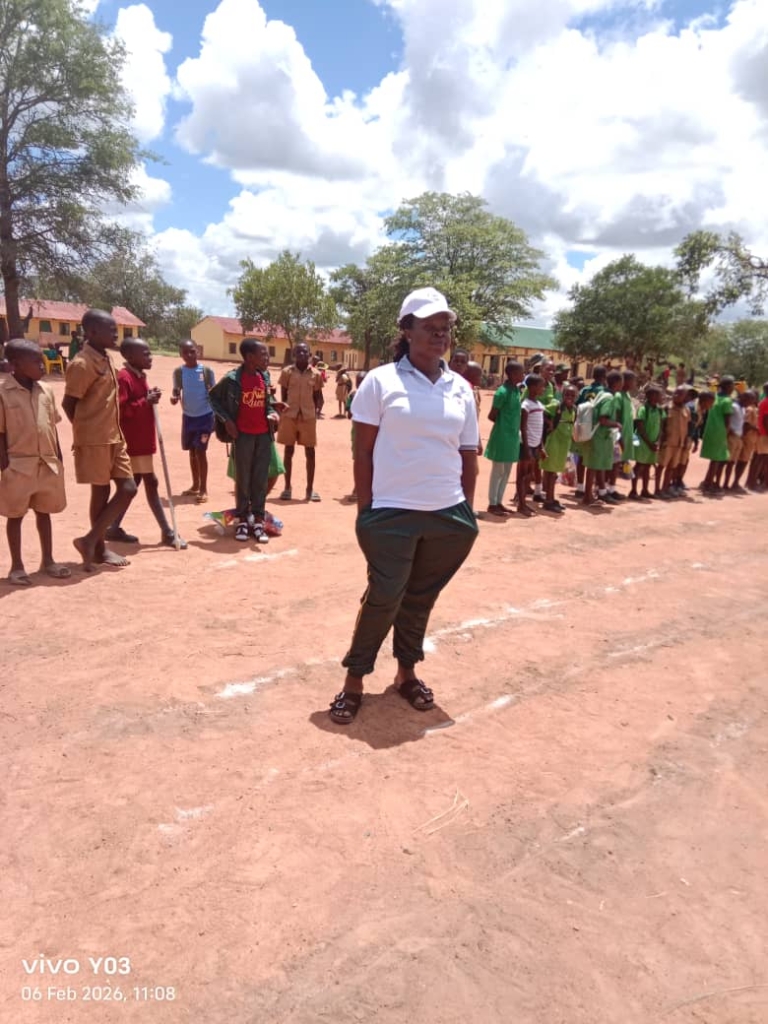
- Sports engagement at Uswaushava Primary, Kowo Primary, and Muchesu Secondary fostered discipline, teamwork, resilience, and confidence among learners.
- Guidance and counselling sessions addressed critical issues like the lack of sanitary wear for girls, personal responsibility, and reclaiming dignity in schools.
- Infrastructure projects: Fellows engaged stakeholders to resume construction of classrooms, preventing delays caused by financial constraints.
- Innovative teaching solutions: For example, mathematics teachers adapted to whiteboard-only classrooms using creative methods to continue lessons.
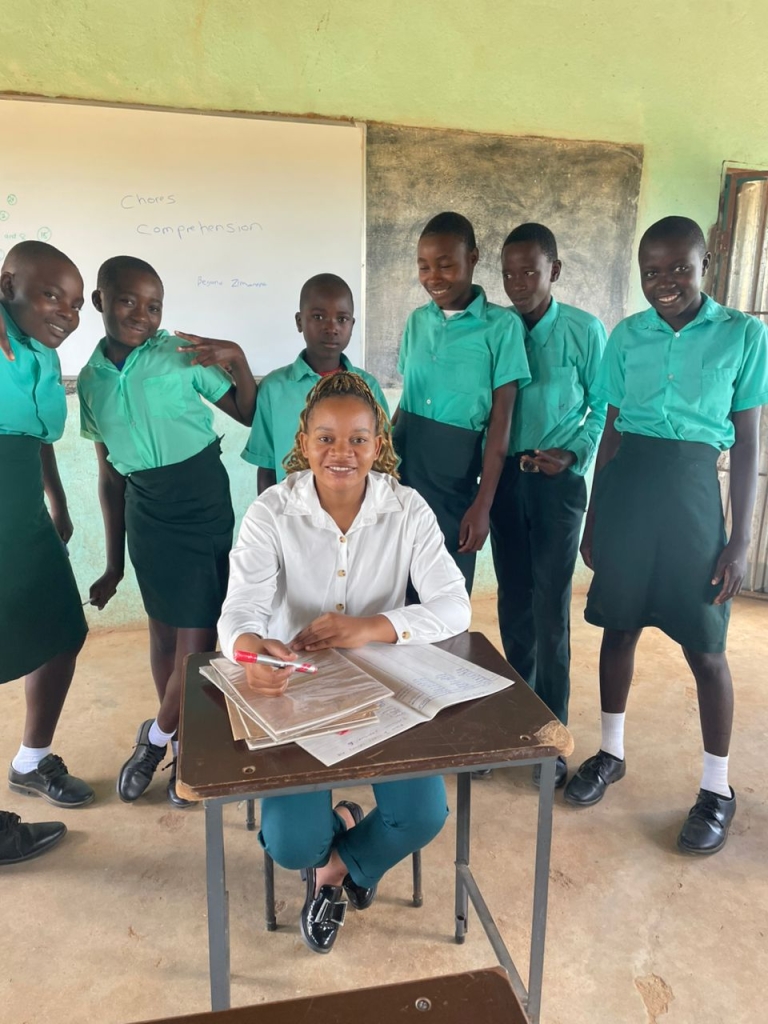
- Learner-centred activities: Regular exercises and interactive sessions increased comprehension, confidence, and engagement.
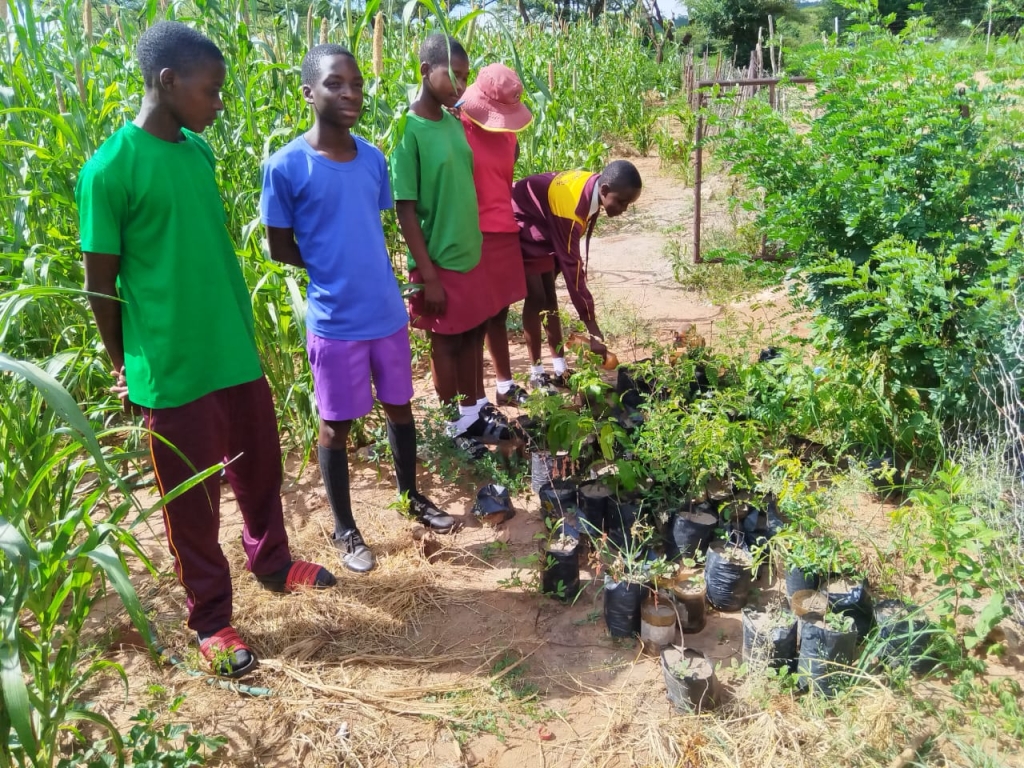
- Community initiatives: Cleaning campaigns, erosion prevention, and school environment projects cultivated responsibility, accountability, and civic pride among learners.
- Supporting low-enrolment schools: Fellows mobilised parents and communities to increase student attendance in schools such as Matedza Secondary in Mutoko District.
- Athletics and zonal competitions: Fellows coached learners, enhancing endurance, resistance, and motivation for both sports and life skills.
- Resource mobilisation: Donations of books and pens to Siachilaba Secondary empowered learners and supported vulnerable students.




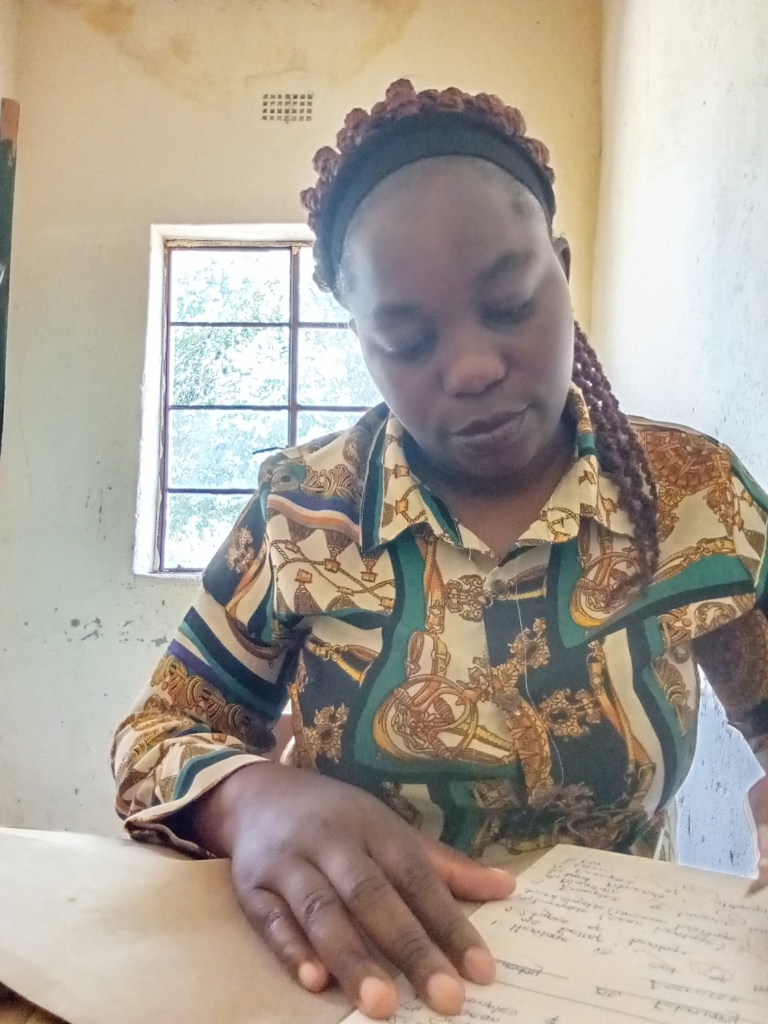

In classrooms, fellows are innovating daily. For example, a mathematics teacher adapted compasses meant for chalkboards to work on whiteboards using sellotape — showing ingenuity in resource-limited settings. Others, like Madam P. Svuure at Muzogwi Secondary, have led guidance sessions addressing girls’ wellbeing, personal care, and boundaries, reinforcing dignity and safety.
Entrepreneurial and ICT skills are also being leveraged to strengthen school systems: from learner registration support to facilitating national examination processes, capacity-building workshops, and digital literacy initiatives. Fellows are mentoring, coaching, and innovating while instilling a culture of service and excellence.
The stories I receive affirm that our fellows are more than teachers — they are mentors, innovators, leaders, and partners in community development. Their work is a call to action for government institutions, development partners, civil society, and community members to support education as a pathway to sustainable national development.
The Teach for Zimbabwe 6th Cohort experience highlights the transformative potential of collective action, servant leadership, and strategic partnerships. It represents a call to stakeholders—including government institutions, development partners, the private sector, and civil society—to collaborate in strengthening Zimbabwe’s education system. Through shared commitment and coordinated support, sustainable and scalable impact can be achieved.
This journey affirms that when passion is aligned with purpose, education becomes a powerful vehicle for national development. The Teach for Zimbabwe fellowship stands as a testament to the power of shared purpose, teamwork, and servant leadership. It is a call to action for stakeholders, business leaders, non-governmental organisations, government institutions, and community members to walk alongside this movement.
Together, we can strengthen systems, expand opportunity, and create a lasting ripple of positive change within Zimbabwe’s education landscape.
This is more than a programme.
It is a mission.
It is a movement.
It is a worthy cause impacting Chivi, Mutoko, Mudzi, Chiredzi, Binga, Harare, and beyond!


Add Comment