
From the Field: Lessons from Africa Peer-to-Peer Learning
By Steve Taderera
How Do We Speak to Gen-Z?
How do we frame our messages to resonate with Gen-Z? This question has been at the forefront of conversations across the Teach For All network, as we consider how to recruit, inspire, and engage the next generation of high-potential Fellows. Gen-Z candidates value work-life balance, personal growth, financial stability, and meaningful impact. Generic, corporate-style messaging often falls flat, failing to capture their curiosity or align with their aspirations.
Attending the Africa Peer-to-Peer Learning Workshop
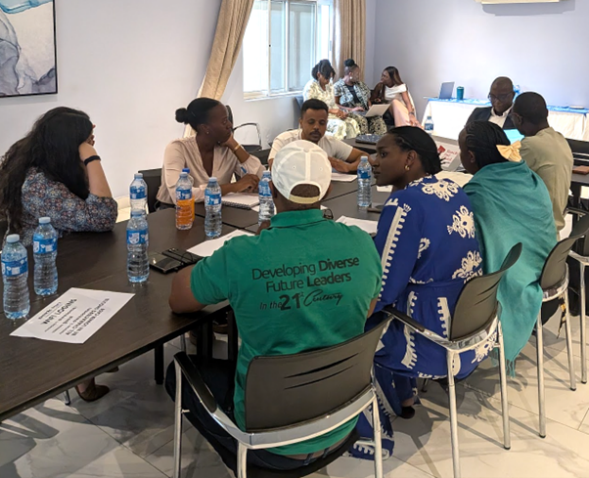
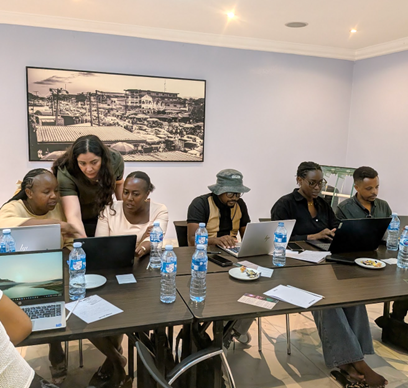
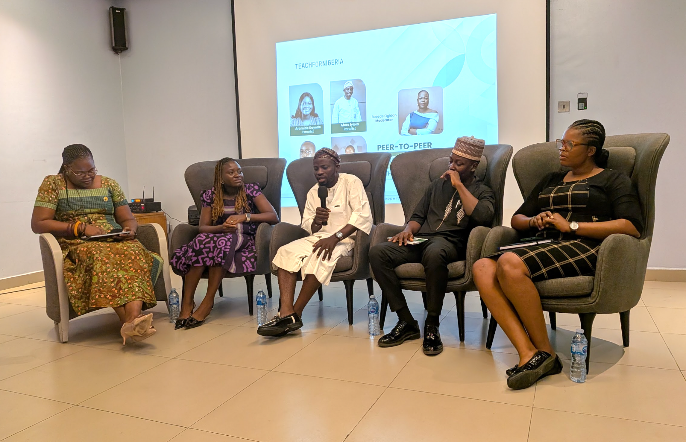
With this in mind, I attended the Africa Peer-to-Peer Learning workshop hosted by Teach For Nigeria in Lagos from 9 to 11 February 2026. The event brought together representatives from six African Teach For All partner organisations, including Teach For Zimbabwe, Teach For Senegal, Teach For Kenya, Teach For Chad, and Teach For Ethiopia to share insights, identify best practices, and explore innovative approaches to Recruitment, Selection, and Matriculation of fellows.
The workshop was a rich platform for dialogue and collaboration, providing space to discuss emerging challenges, share strategies, and explore tools to improve both the quality and experience of our recruitment processes.
Recruiting Gen-Z: Messaging That Resonates
A central theme was rethinking how we communicate the fellowship opportunity to Gen-Z candidates. This generation responds best to authentic, reflective, and creative messaging.
Across partners, several effective approaches stood out; QR code-enabled application links to reduce friction, short videos featuring current fellows and alumni that bring the fellowship to life, and amplifying alumni and fellow stories through social media and communications channels.
The focus is on prompting candidates to reflect on their values and motivations rather than simply persuading them. Providing applicants with choice, autonomy, and transparency emerged as a key differentiator in attracting high-potential candidates.
Standalone Teacher Training: Expanding Impact
Another important discussion was the potential for Teach For Zimbabwe to develop a standalone, monetised teacher training programme. In partnership with the government, such a programme could extend professional development to educators beyond fellows, generate sustainable revenue to reinvest in core activities, and strengthen our credibility within the national education ecosystem. Drawing on models such as ProFuturo and similar African initiatives can help inform programme design and implementation.
Pre-Recruitment Workshops and Applicant Guidance
We also explored pre-recruitment workshops, a practice successfully implemented by Teach For Nigeria. These info-sessions conducted before each recruitment cycle clarify expectations, reduce repetitive inquiries, and enhance applicant preparedness. Complementing this, a dedicated webpage guiding prospective applicants through each stage of the process can improve both quality and volume of applications.
Retention Surveys for Continuous Improvement
Collecting feedback systematically was another key insight. Deploying targeted surveys at multiple touchpoints during application, pre-fellowship, and post-fellowship can reveal reasons for early disengagement, unmet expectations, or structural barriers. These insights can inform retention strategies and improve future recruitment cycles.
Leveraging Artificial Intelligence in Recruitment
Finally, the use of Artificial Intelligence (AI) in recruitment emerged as a promising frontier. AI-assisted CV screening can quickly and consistently assess large volumes of applications, while automated candidate communication ensures timely updates and reduces administrative load. Ethical guidelines, transparency, and human oversight are critical to ensure fairness and maintain the integrity of the selection process.
Looking Ahead
The Africa Peer-to-Peer Learning workshop reaffirmed the value of collaboration across the Teach For All network. By incorporating these lessons, Teach For Zimbabwe is well-positioned to attract, support, and retain high-potential Fellows while strengthening its impact on the national education landscape.
Add Comment