
Across Districts, One Spirit: Our 6th Cohort Fellows in Action



Across Zimbabwe, something powerful is unfolding.
In Mudzi, Mutoko, Chivi, Binga and beyond, our 6th Cohort Fellows at Teach For Zimbabwe are quietly — and boldly — redefining what leadership in education looks like.
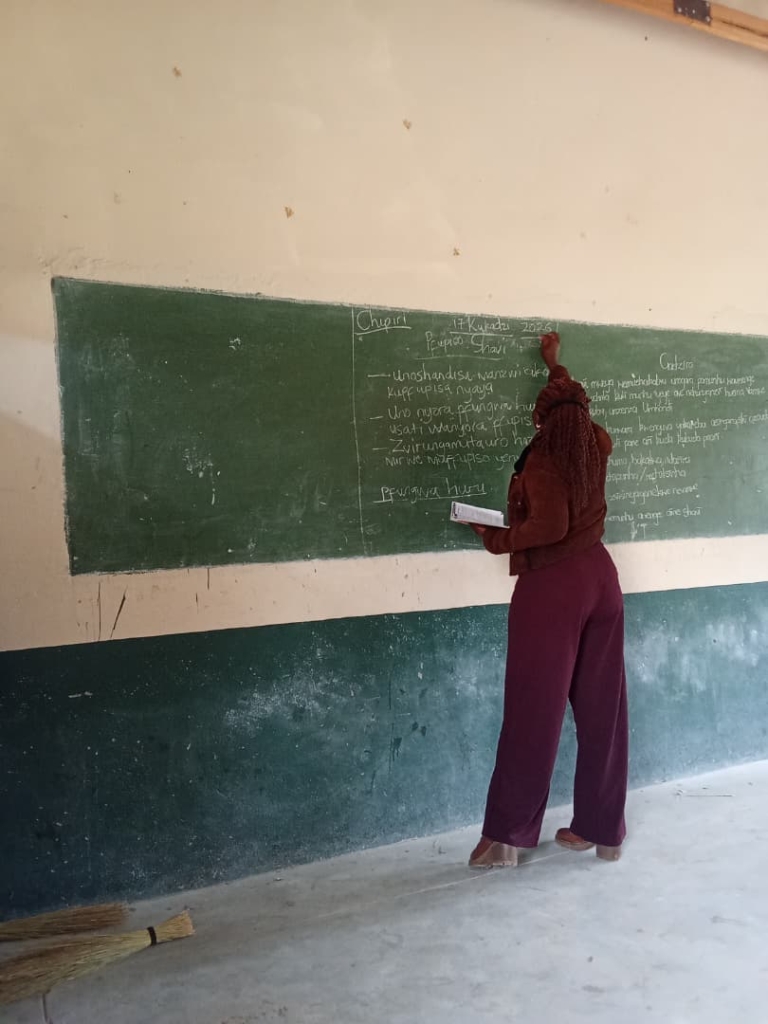
At Domboshava Secondary School in Chivi District, Ordia Ndalega stood before seventy Form 1 learners with only five textbooks. What could have been a limitation became a lesson in innovation. Through peer learning, learners read aloud, guided one another, and collaboratively wrote a pfupiso. Scarcity transformed into teamwork. Constraint became creativity.
Not far away, Marshall Muza introduced Grade 3 learners to a computer for the very first time. At first, they were afraid to even press the power button. But curiosity slowly replaced fear. Questions flowed. Wonder filled the room. A digital journey had begun.
Meanwhile, at Manhemba Secondary, one fellow noticed a different kind of talent. A gifted O-Level learner — the school’s best barber — lacked the equipment to grow his skill. So the fellow invested in a clippers set, believing that intrapreneurship (the practice of innovating and taking initiative within an existing environment or system) deserves nurturing. Because sometimes leadership isn’t just about teaching — it’s about creating space for talent to thrive, even within constraints.
At the same school, a Maths club called Count On Us began as a girls’ initiative — until the boys insisted on joining. Now learners across Forms 1 to 4 collaborate across grades, proving that leadership and learning thrive in unity.
Weekend lessons are happening too. At Lubanda Secondary, Form 4 learners are being prepared for their final examinations. At Mwenje Primary, Farirai Muriritirwa held remedial classes so that no Grade 6 learner is left behind — even adjusting schedules for learners observing their Sabbath.
Leadership also stepped beyond classrooms.
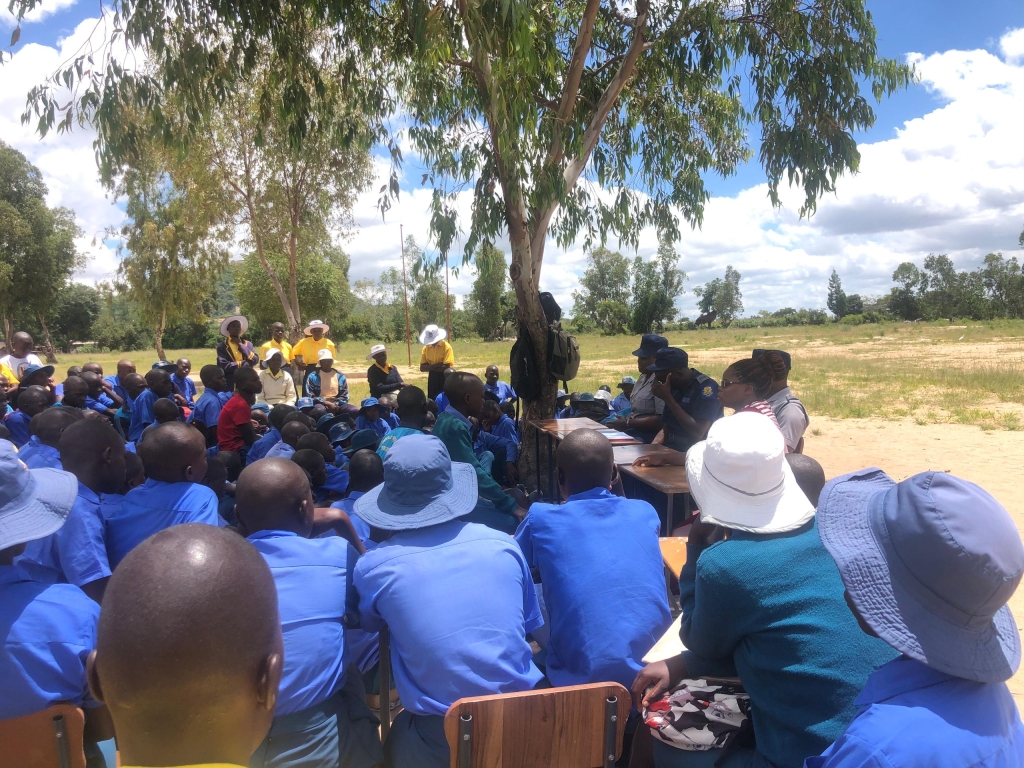
Through leadership certification, Kaitano Peter stepped into his role as Deputy Head at Gozi Secondary School. In Mudzi District, another fellow chaired an AGM alongside the councillor, guiding the selection of new School Development Committee members while introducing communities to the vision of equity in education.
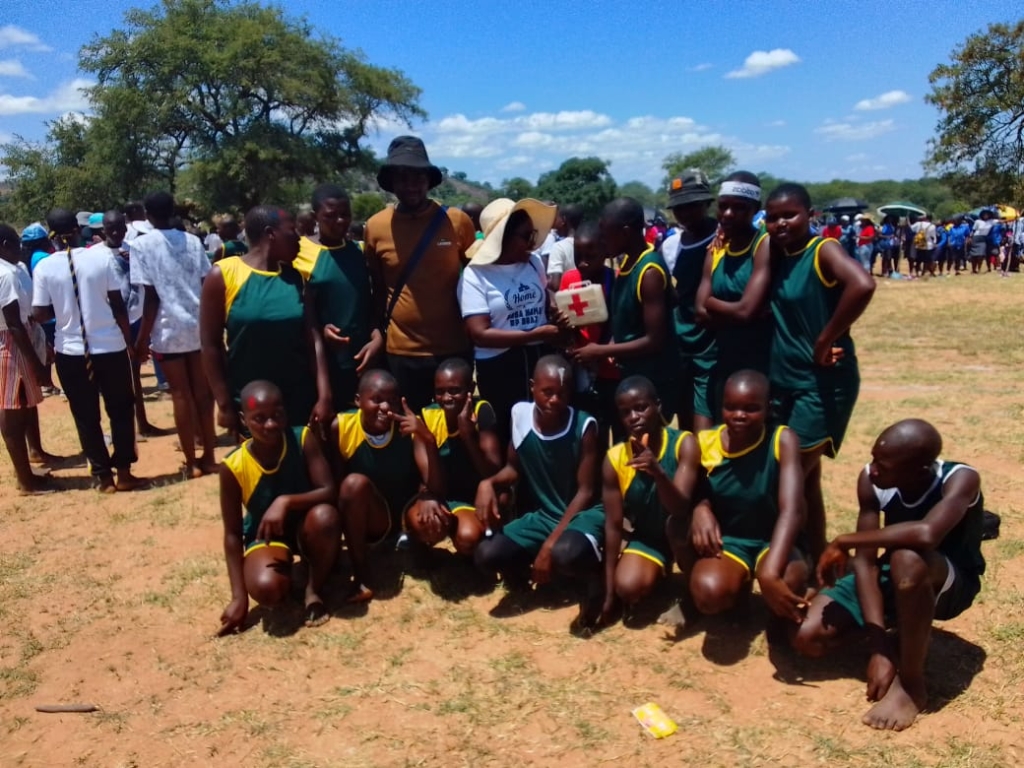
Across districts, zonal competitions became spaces of mentorship, integrity, and celebration.
In Chivi, Ordia Ndalega facilitated field events, proudly witnessing learners balance academic excellence with athletic strength. At Ruminya Secondary, a fellow served at the recording desk, ensuring every score was documented with integrity. In Chamanhanzva, under a blazing sun, another fellow officiated discus events — measuring each throw with precision, offering encouragement where needed, and safeguarding fairness.
In Mudzi, Walter Kazingizi described the atmosphere as “pure fire,” a joyful gathering of fellows and learners united by sport. At Mutoko Central High, Fungai Makombe prepared learners for competitive chess, sharpening strategy and focus ahead of tournament day. And on the chess front, Didymus Mudziwepasi continues to lead his champions from victory to victory — demonstrating that discipline, preparation, and belief can turn rural talent into consistent excellence.
Environmental stewardship is thriving too.
At Uswaushava Primary, a fellow is leading an environmental club, preparing rockeries for tree and flower planting. In another school, an abandoned nutritional garden is being revived — not only to enhance school meals but to promote sustainability, inclusivity, and community engagement.




Through it all, the spirit remains consistent:
- Leading by doing.
- Serving with intention.
- Demonstrating before declaring.
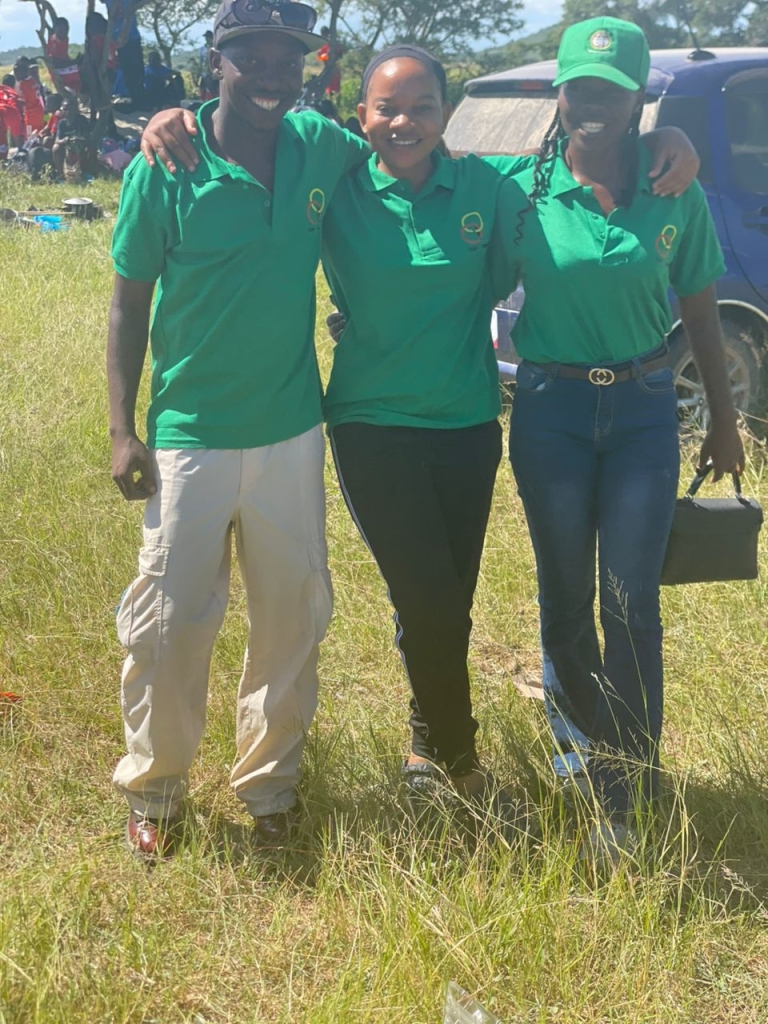
Our 6th Cohort Fellows are not simply delivering lessons. They are cultivating ecosystems — where sports teach resilience, gardens teach sustainability, clubs teach collaboration, and classrooms teach possibility.
Across Zimbabwe, one truth is clear:
Equity in education is not an abstract idea.
It is visible in dusty fields, in shared textbooks, in revived green spaces, in weekend lessons, and in the quiet decision to show up — again and again — for every learner.
And this is only the beginning.
Add Comment