
From Fellowship Learning to Journal Publishing
By Desline Zirima
Transforming Classroom Practice into Research: How the Teach For Zimbabwe Fellowship Inspired Me to Publish a Journal Article on THRASS and Early Reading Initiatives
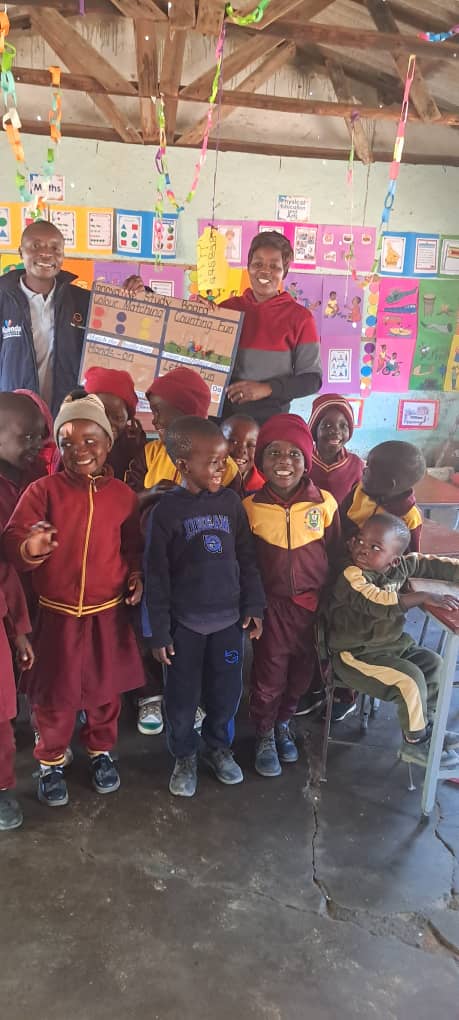
As a Teach For Zimbabwe Fellow, my journey has been one of continuous growth, learning, and transformation. The fellowship has not only shaped me into a more reflective educator but has also empowered me to become a contributor to educational knowledge and innovation. One of the most significant milestones in my fellowship journey has been the publication of a journal article focusing on the importance of the THRASS approach in promoting reading among Early Childhood Development (ECD) learners.
When I joined the Teach For Zimbabwe Fellowship, I was introduced to the concept of Foundational Learning during the Pre-Institute training. Through various learning sessions, workshops, and practical engagements, I gained a deeper understanding of the critical role that foundational literacy plays in determining learners’ future academic success. The emphasis placed on early reading skills, phonological awareness, letter-sound knowledge, and learner-centered instructional approaches transformed my perspective on teaching young learners.One of the literacy approaches that particularly captured my interest was THRASS (Teaching Handwriting, Reading and Spelling Skills). Through the fellowship’s foundational learning training, I came to appreciate how structured literacy approaches such as THRASS can support learners in developing phonemic awareness, decoding skills, vocabulary, and reading confidence. Inspired by these insights, I began intentionally integrating THRASS strategies into my daily classroom practice with ECD learners.As I implemented THRASS activities, I observed remarkable changes among my learners.
Children who initially struggled to recognize sounds and letters gradually became more confident in identifying phonemes, blending sounds, and reading simple words. Learner participation increased significantly during literacy lessons, and many learners began demonstrating greater enthusiasm toward reading activities. These improvements sparked my curiosity and motivated me to investigate the effectiveness of THRASS more systematically.
The Teach For Zimbabwe Fellowship encourages fellows to be reflective practitioners and agents of change who use evidence to improve educational outcomes. Guided by this mindset, I embarked on a research journey to examine the role of THRASS in promoting reading among ECD learners. I collected classroom data, reviewed relevant literature, and documented the experiences and progress of my learners. Throughout this process, I continuously reflected on the foundational learning principles that had been introduced during the fellowship. The findings from my study revealed that THRASS significantly contributed to the development of early literacy skills. Learners demonstrated improvements in sound recognition, word formation, reading fluency, and overall engagement during literacy instruction. The evidence gathered from the classroom confirmed what I had learned during the fellowship—that strong foundational learning practices can create meaningful and lasting educational impact.
Motivated by these findings and encouraged by the fellowship’s culture of leadership and innovation, I developed a journal article titled,
“The Importance of THRASS in Promoting Reading Among Early Childhood Development Learners.”
The article was subsequently published, marking a significant personal and professional achievement. More importantly, the publication created an opportunity to share practical classroom-based evidence with a wider audience of educators, researchers, and policymakers.This achievement represents more than an individual success story. It demonstrates how Teach For Zimbabwe’s investment in foundational learning during the Pre-Institute phase can translate into tangible outcomes beyond the classroom. The foundational literacy concepts introduced during training did not remain theoretical; they influenced classroom practice, inspired research, and ultimately contributed to the production of new educational knowledge. The publication serves as evidence that the fellowship’s approach to developing teacher leadership can yield far-reaching impact. By equipping fellows with strong foundational learning knowledge, Teach For Zimbabwe empowers educators to identify challenges, implement evidence-based solutions, and contribute to educational discourse. My journey from fellowship participant to published researcher illustrates how professional development can lead to innovation and thought leadership in education. Furthermore, this breakthrough aligns closely with Teach For All’s vision of nurturing collective leadership to ensure that all children have the opportunity to fulfill their potential. Through the fellowship, I developed the confidence to move beyond implementing educational strategies to documenting and sharing effective practices that can benefit learners in other schools and communities. The publication has the potential to influence literacy instruction beyond my classroom, creating a ripple effect that supports improved reading outcomes for more children.Looking back, I can confidently say that the Teach For Zimbabwe Fellowship ignited a passion for educational research and strengthened my commitment to improving foundational literacy.
The journey from learning about foundational literacy during Pre-Institute, to implementing THRASS in the classroom, conducting research, and ultimately publishing a journal article demonstrates the transformative power of the fellowship.
My story stands as evidence that foundational learning integration within Teach For Zimbabwe’s training model is producing meaningful results. It highlights how investment in fellows’ knowledge and leadership can translate into improved learner outcomes, professional growth, and contributions to the broader education sector. Most importantly, it shows that when teachers are empowered with the right skills, support, and vision, they can become catalysts for change both inside and outside the classroom.The fellowship did not only teach me how to improve literacy outcomes; it inspired me to generate and share knowledge that can help transform education for many more learners.
Desline ZirimaTFZ Vice President, 6th CohortChivi District
Add Comment