
Bwanya Secondary School Girls Gain Practical Skills Through Collaboration with AWEC Led by Apitimiss Asima
By Valerie T Chatindo
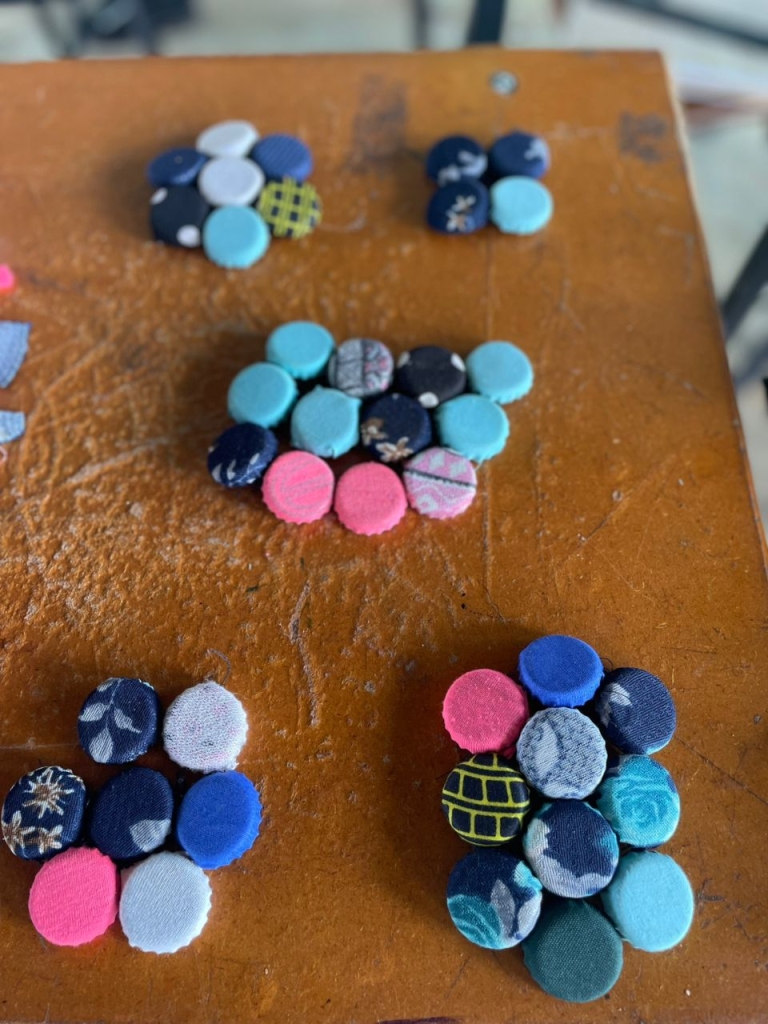
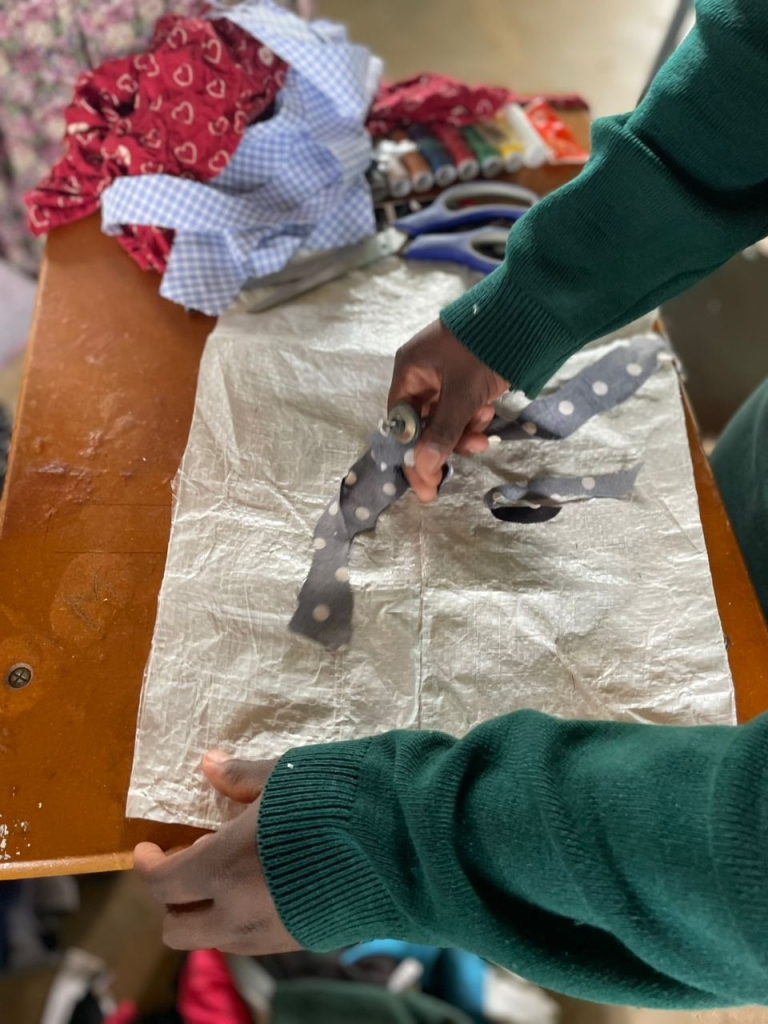
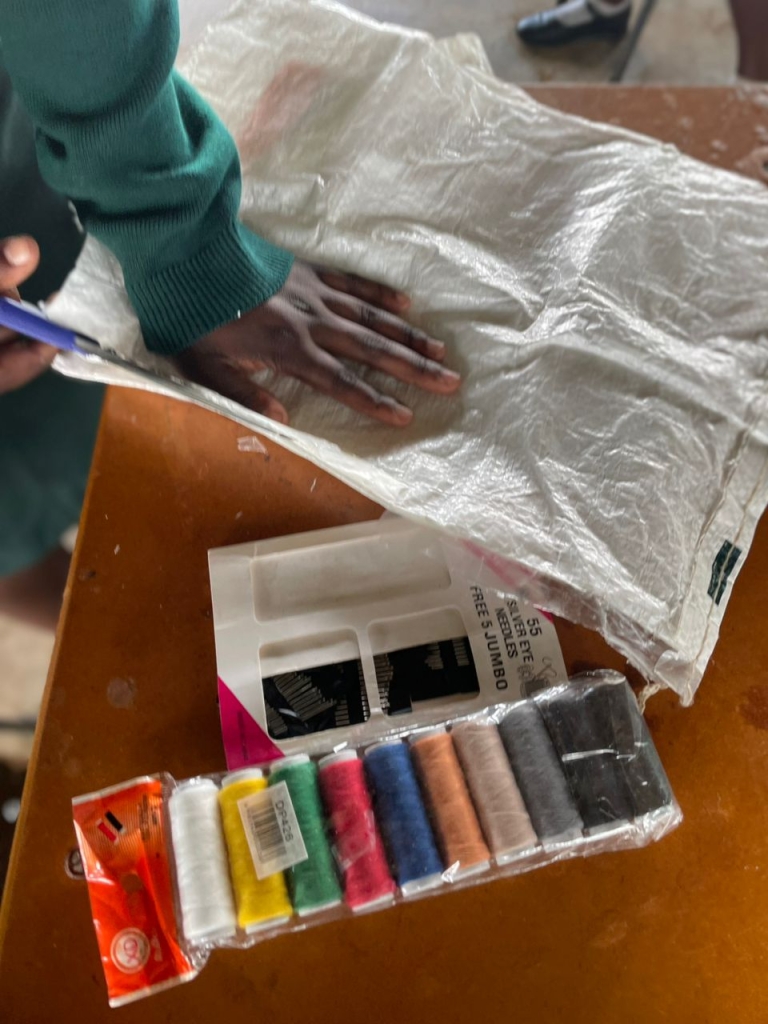
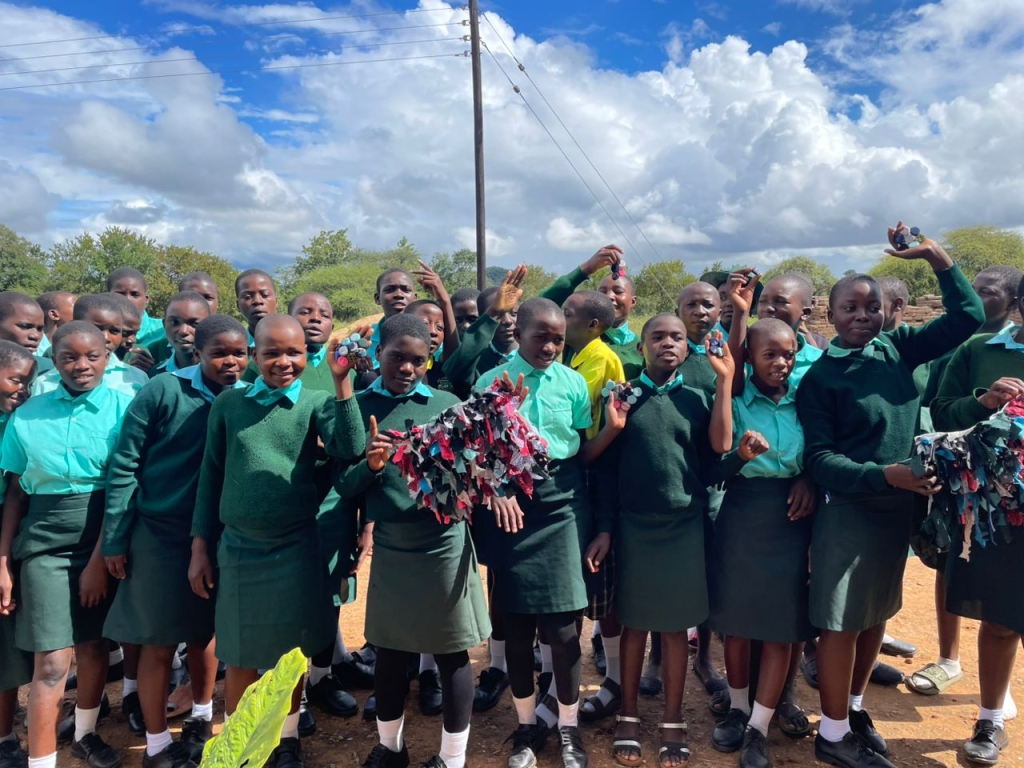
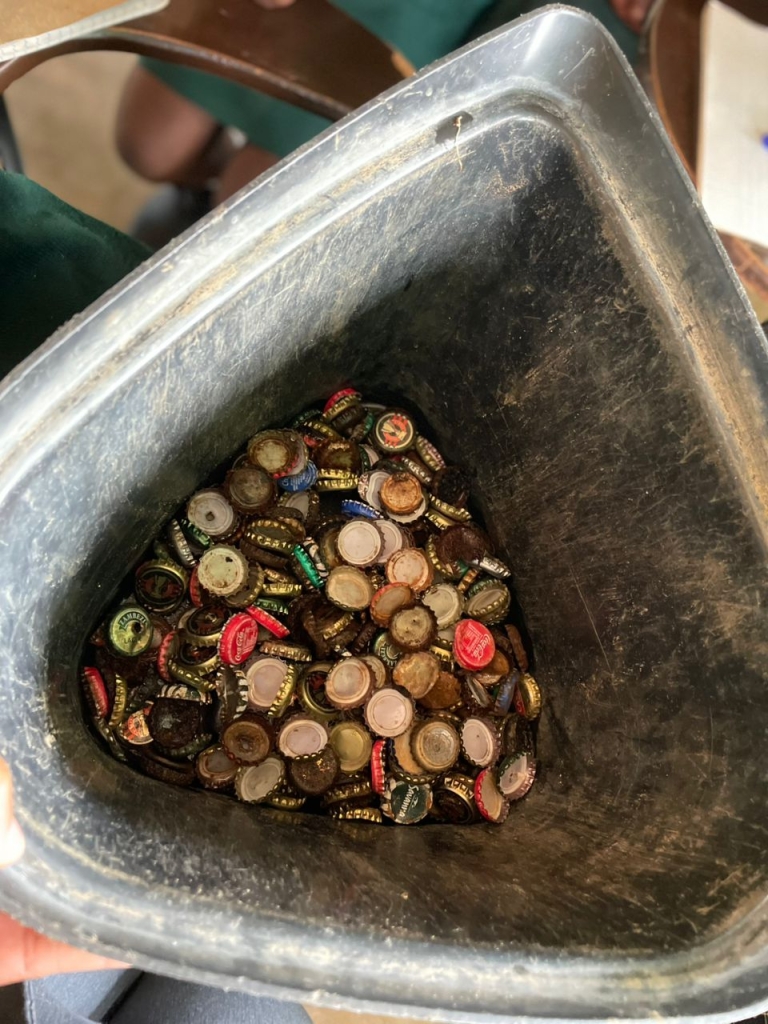
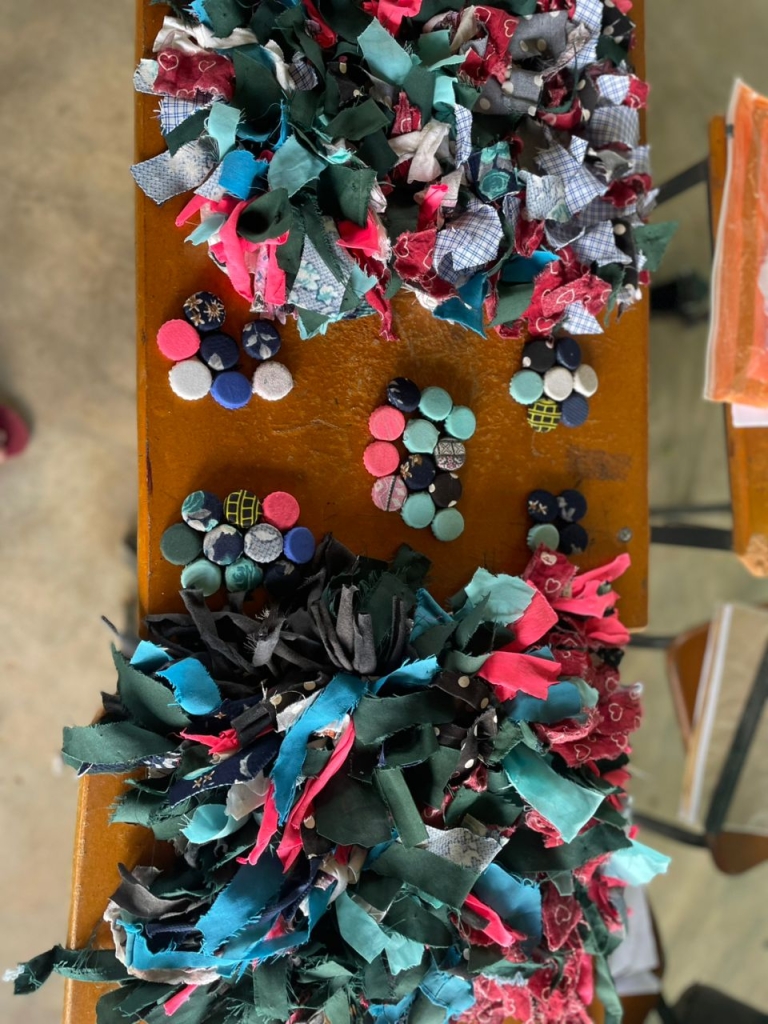
On 13 March 2026, members of the Let Girls Thrive Club at Bwanya Secondary School took part in a collaborative training session aimed at equipping girls with practical entrepreneurial, environmental, and sustainability skills. The session was organized by Apitimiss Asima, a Teach For Zimbabwe 6th Cohort Fellow, in partnership with Ms. Raviro Mpasiri from AWEC.
The Let Girls Thrive initiative is a strategic programme by Teach For Zimbabwe designed to empower girls and young women through skills development and support systems that help them remain in school and actively participate in community life. The initiative prioritizes vocational skills, life skills, entrepreneurship, and resilience-building, with a focus on addressing challenges like early marriage, gender‑based barriers, and economic vulnerability in rural and marginalized communities.
During the training session, participants identified natural resources commonly found in the Bwanya community — including masau, mushuma, guava, bananas, maize, fresh milk, and fish from local rivers — and discussed ways these could be turned into income‑generating products. Girls also took part in hands‑on recycling and upcycling activities, creating doormats from waste materials, producing table mats from bottle tops, and making mats using discarded cloth.
These activities were designed not only to build creative and entrepreneurial skills but also to promote environmental sustainability and responsible use of resources. The session highlighted how everyday waste can be transformed into marketable products, contributing to climate change mitigation and community well‑being.
Apitimiss explained that training like this aims to support girls in contributing toward school needs — such as fees and uniforms — while encouraging them to stay in school and pursue opportunities that protect them from early marriage and other vulnerabilities. The practical, community‑centered approach also reinforces leadership and confidence among the girls, helping them see themselves as active contributors to their own futures.
By the end of the day, students had gained valuable skills in creativity, resourcefulness, and sustainable practice — all critical components of long‑term empowerment and economic independence. The collaboration between Teach For Zimbabwe and AWEC showcased how strategic partnerships can create meaningful learning experiences that stretch beyond the classroom and into the heart of community development.
And in the quiet confidence of their hands:
A bottle top was no longer just a bottle top. A piece of cloth was no longer just waste. And a girl—sitting in a rural classroom in Bwanya—was no longer just a girl waiting for life to happen.
She was a creator.
A problem‑solver.
A young entrepreneur.
And somewhere, in the quiet confidence of her hands, was the beginning of something bigger than a single training session.
Something that might just change the course of her life.
Add Comment