
Amplifying Rural Voices: Zimbabwean RYCs Shine at the International Quality Education Conference

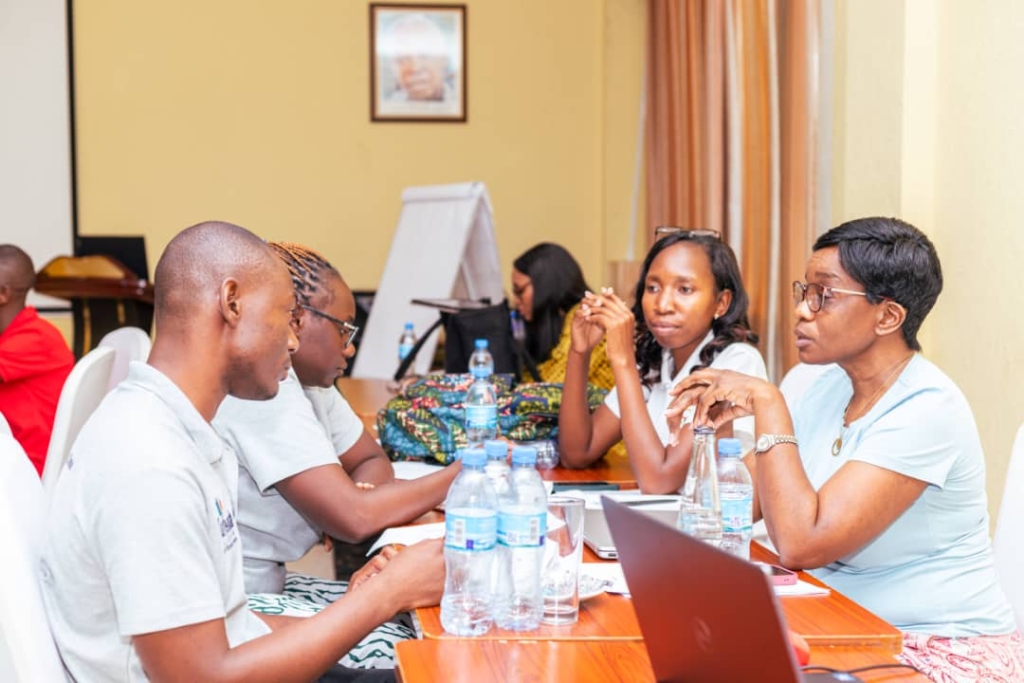
In September 2025, Dar es Salaam, Tanzania, became a hub of ideas, innovation, and advocacy as global educators, policymakers, and youth leaders gathered for the International Quality Education Conference (IQEC). The conference, known for its focus on inclusive and equitable education, provided a platform for participants to share solutions, experiences, and strategies to ensure that every learner — regardless of location or circumstance — has access to quality education.
From Zimbabwe, three extraordinary voices carried the stories of rural learners to this global stage: Benedict Bvunyenge, Viola Flo-Jo Mutambudzi, and Annle Ncube. Each of them was chosen not merely for their roles as Teach For Zimbabwe Fellows but for the tangible impact they have made within their communities through advocacy, innovation, and unwavering commitment to youth empowerment as Kuyenda Collective Rural Youth Champions.
Benedict Bvunyenge, a 5th Cohort Fellow and Rural Youth Collective advocate, brought to the conference a deeply personal mission: advocating for inclusive classrooms, particularly for learners with albinism in Chiredzi. Witnessing the resilience of children who navigate daily challenges just to attend school, Benedict has dedicated himself to creating spaces where every learner feels seen, valued, and included. His work is a testament to the idea that advocacy begins at the grassroots level, and his voice at the conference carried the hopes and experiences of children who are often overlooked in national and international policy discussions.
Alongside him was Viola Flo-Jo Mutambudzi, a 4th Cohort Fellow whose community initiatives in Mutoko exemplify innovation in education and youth empowerment. Viola’s work with Comfort4Teens 101, a program providing girls with menstrual hygiene kits and a safe space for mentorship, addresses not only educational access but also dignity and confidence. Beyond menstrual health, she champions mental health programs for boys, teaches practical skills such as barbering, and has initiated nutritional gardens to support school feeding programs. Viola’s selection for the conference reflected her holistic approach to youth advocacy — one that recognizes that the challenges girls face in accessing education are interconnected with broader community well-being.
Finally, Annle Ncube, an alumni fellow and human rights advocate, brought a strong voice of policy-driven advocacy. Her work has spanned community awareness campaigns in Binga, tackling teen pregnancies, child marriage, and substance abuse, to representing youth perspectives at regional forums including the SADC Summit 2024. Annle’s expertise lies in connecting community insights to systemic solutions, ensuring that the realities of marginalized learners are heard and addressed at both local and regional levels. Her participation in the IQEC highlighted the importance of youth-led advocacy in shaping policies that respond to real needs on the ground.
Together, Benedict, Viola, and Annle did more than attend a conference; they carried the lived experiences of Zimbabwe’s rural learners into a global dialogue, bridging the gap between local challenges and international solutions. Their stories remind us that change is not only about policies made in faraway capitals but also about the tireless work of individuals embedded in communities, listening, learning, and leading.
At the IQEC, their voices joined a chorus of advocates from around the world, proving that when local experience meets global platforms, education transforms from a concept into a tangible force for equity, dignity, and opportunity.
Add Comment